Creating Memorable Back to School Moments with the Kids Card Teacher Digital Collection
The transition from summer relaxation to the structured rhythm of the academic year is a pivotal moment for students, parents, and educators alike. In this bustling season, small gestures often carry the most weight. A personalized card can bridge the gap between home and school, offering a child a sense of security and excitement before they even step through the classroom door. This is where the Back to School Kids Card Teacher collection becomes an essential resource for anyone looking to add a personal touch to the first week of classes.
For creators, teachers, and craft enthusiasts, the ability to produce high-quality, custom materials quickly is paramount. Whether you are running a small Etsy shop, organizing a classroom gift exchange, or simply wanting to make something special for your own children, digital assets provide the flexibility needed to adapt to various needs without the constraints of pre-printed inventory. The specific focus on a digital download format ensures that users have full control over the final product, allowing for customization that mass-produced items simply cannot match.
The Advantages of High-Resolution Digital Downloads
When discussing modern crafting solutions, the distinction between vector files and raster images is critical. Many sellers offer SVG files designed for cutting machines like Cricut or Silhouette. However, there is a distinct advantage to working with high-resolution JPG files, particularly when the goal is printing on physical substrates rather than cutting vinyl. The Back to School Kids Card Teacher listing provides exactly this type of utility.
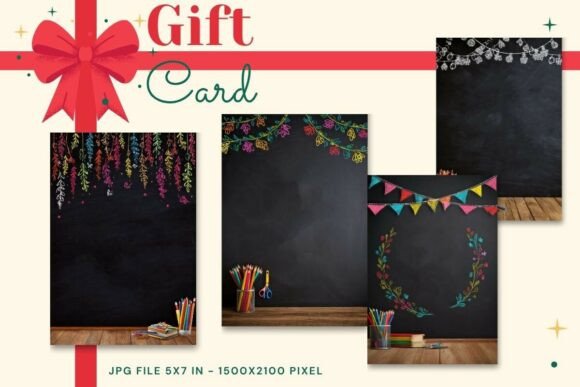
Receiving four separate JPG files in high resolution at 300 DPI means the image data contains enough pixel density to print sharply on paper, cardstock, or fabric without becoming pixelated or blurry. This level of quality is non-negotiable for professional-looking results. When a user downloads these files, they are not limited to a single size. Instead, the design can be resized to fit the exact dimensions required by the project. If a teacher wants to print a standard 5x7 inch greeting card, the file accommodates that perfectly. If a parent wishes to create a larger banner or a smaller tag for a lunchbox, the same source file can be scaled up or down while maintaining clarity.
This flexibility extends to the choice of material. Unlike SVG files which are optimized for cutters, JPG files are ideal for inkjet or laser printers. They allow for full-color printing, meaning the vibrant designs intended for back-to-school themes can be rendered with accurate color fidelity. This is particularly useful for complex illustrations that include gradients, detailed backgrounds, or multi-colored text that might lose detail if converted into simple cut paths.
Understanding the File Specifications
To maximize the potential of this digital asset, it is helpful to understand the technical specifications provided. The listing specifies a design size of 5x7 inches, which is the industry standard for greeting cards and invitations. At 300 DPI (dots per inch), the resolution ensures that every line and curve remains crisp when printed. This specification is crucial because lower resolutions, such as 72 DPI commonly found on web images, would result in a grainy, low-quality print that undermines the effort put into the design.
Furthermore, the inclusion of four distinct files within the download package offers variety. While some projects require a single cohesive design, others benefit from having options. For instance, one file might feature a primary message suitable for a student, while another could be tailored for a teacher appreciation note. Having multiple variations allows a user to mix and match styles or use different designs for different recipients without needing to purchase additional assets.
Practical Applications for Educators and Creators
The versatility of the Back to School Kids Card Teacher digital files opens up a wide array of practical applications across different sectors. For professionals in the education field, these resources can streamline the process of preparing welcome materials. Teachers often spend hours creating handmade signs or notes for their students. By utilizing high-quality digital prints, they can reduce preparation time while increasing the visual impact of their welcome efforts.
- Classroom Decorations: Print the designs on sturdy cardstock to create bulletin board headers, desk nameplates, or door decorations that set a welcoming tone for the new semester.
- Student Welcome Kits: Include a printed card in a "back to school" care package alongside supplies like pencils, erasers, and water bottles. This adds a thoughtful, human element to the supply list.
- Gift Tags: Resize the files to create custom gift tags for presents given to students or colleagues during the first week of school.
For business owners and content creators, these digital files serve as a foundational asset for product development. Those selling handmade goods on platforms like Etsy or Shopify can use the JPGs to print on demand. Because the files are digital, there is no need to hold physical inventory. A seller can print a design only after an order is placed, reducing waste and storage costs. This model supports sustainable business practices while ensuring that customers receive fresh, high-quality products.
Hobbyists and DIY enthusiasts also find immense value in this format. Parents who enjoy scrapbooking or creating memory books for their children can incorporate these designs into layouts documenting the first day of school. The ability to resize the image means it can fit seamlessly into any album layout, regardless of whether the page is square, rectangular, or part of a collage.
Integration into Workflow
Implementing these digital assets into a workflow requires minimal technical expertise but yields significant rewards. The process begins with downloading the four JPG files to a local device. From there, the user can open them in standard image editing software such as Adobe Photoshop, Canva, or even basic tools like Microsoft Paint or Preview. Once opened, the image can be placed onto a canvas of the desired size.
Because the files are high-resolution, scaling up is generally safe for moderate increases in size. For example, taking a 5x7 design and expanding it to 8x10 for a poster is feasible without noticeable loss of quality. However, extreme enlargement may eventually hit the limits of the pixel count. Therefore, it is best practice to determine the target print size before starting the design phase. This planning ensures that the final output meets the user's expectations for sharpness and detail.
Why Choose Raster Over Vector for Printing
A common question among crafters is why one would choose a JPG over an SVG file. While SVG files are excellent for cutting machines and creating scalable vector graphics that never lose quality when resized, they function differently than raster images. An SVG tells a machine where to cut; it does not inherently contain the color information needed for printing unless converted or layered extensively.
In contrast, the Back to School Kids Card Teacher JPG files are ready-to-print. They contain all the color data, shading, and texture information in a single layer. This makes them superior for projects involving traditional printing methods. If a user intends to use a home printer or send the file to a professional print shop, the JPG format is the direct route to the finished product. It eliminates the need for tracing, color separation, or complex layer management that is often required when working with vector files for print purposes.
Additionally, the restriction to JPG format prevents confusion regarding file compatibility. Not all users have access to specialized software capable of reading SVG files. Most people have access to image viewers and basic editors that handle JPGs universally. This inclusivity ensures that the product is accessible to a broader audience, including those who may not be tech-savvy but still wish to create beautiful back-to-school materials.
Considerations for Successful Implementation
While the benefits of using digital downloads are clear, successful implementation depends on a few key considerations. First, the user must ensure their printer settings are configured correctly. To achieve the best results with 300 DPI files, the printer should be set to "High Quality" or "Photo" mode, and the correct paper type (such as cardstock or photo paper) should be selected in the driver settings.
Secondly, color calibration is important. Computer screens display colors using light (RGB), while printers use ink (CMYK). There may be slight variations between what is seen on the monitor and the final print. To mitigate this, users can perform a test print on plain paper first to check alignment and color balance before committing to expensive cardstock. This step saves money and materials in the long run.
Another consideration is the legal aspect of usage. Since this is a digital download, users must adhere to the licensing terms provided with the listing. Typically, these licenses allow for personal use and sometimes limited commercial use, depending on the specific agreement. Understanding these boundaries ensures that creators and educators can use the Back to School Kids Card Teacher assets confidently without infringing on intellectual property rights.
The Impact of Personalization on Student Engagement
Beyond the technical aspects of printing and design, the psychological impact of receiving a personalized item cannot be overstated. Research in educational psychology suggests that students feel more connected to their learning environment when they perceive that adults in their lives have invested time and effort into their experience. A card created specifically for them, featuring a design chosen with care, signals that they are valued members of the community.
For teachers, this tool offers a way to scale their personal touch. Without the digital asset, creating a unique card for every student in a class of thirty might be time-prohibitive. With the digital file, a teacher can print twenty-five identical cards and handwrite individual messages on each one, combining the efficiency of digital reproduction with the warmth of a handwritten note. This hybrid approach maximizes both productivity and emotional connection.
Similarly, for parents, the act of printing and presenting a card can become a ritual that marks the beginning of a new chapter. It transforms a mundane logistical task—getting ready for school—into a meaningful family activity. The Back to School Kids Card Teacher collection facilitates this by providing a professional-grade design that elevates the project above a simple drawing made on construction paper.
Conclusion: Empowering Creativity Through Digital Tools
The landscape of crafting and education is evolving, driven by technology that empowers individuals to create more efficiently and effectively. The availability of high-resolution digital downloads like the Back to School Kids Card Teacher represents a shift towards accessible, flexible, and high-quality creative resources. By removing the barriers of pre-printed limitations and offering the freedom to resize and customize, these assets cater to the diverse needs of educators, parents, and business owners.
Whether the goal is to decorate a classroom, launch a small business, or simply surprise a child on their first day of school, the ability to produce sharp, professional-looking materials is invaluable. The combination of 300 DPI resolution, versatile JPG formatting, and specific sizing options ensures that the final product looks as good as it feels. As we move forward into the academic year, leveraging these tools allows us to focus less on the mechanics of creation and more on the message of welcome and support that lies at the heart of education.